When Short Run Digital Printing Beats Offset

Choose short run digital printing when you need a small batch, a fast update, or several versions of the same piece. It prints from a digital file without making printing plates, so you can avoid much of the setup work and order closer to what you need. Offset printing has more upfront preparation but can be more efficient when you need a large run of the same design.
That choice matters for a law firm updating a brochure, a nonprofit printing event programs, or a local business testing a new mailing. Start by asking your printer to compare the total job requirements, deadline, and quantity.
I’m Jessica Gutowski-Slaydon, president and third-generation leader at Swift Printing in Grand Rapids. I’ve helped customers plan short run digital printing projects alongside offset work, with a focus on the right paper, quantity, quality, and deadline for each job.
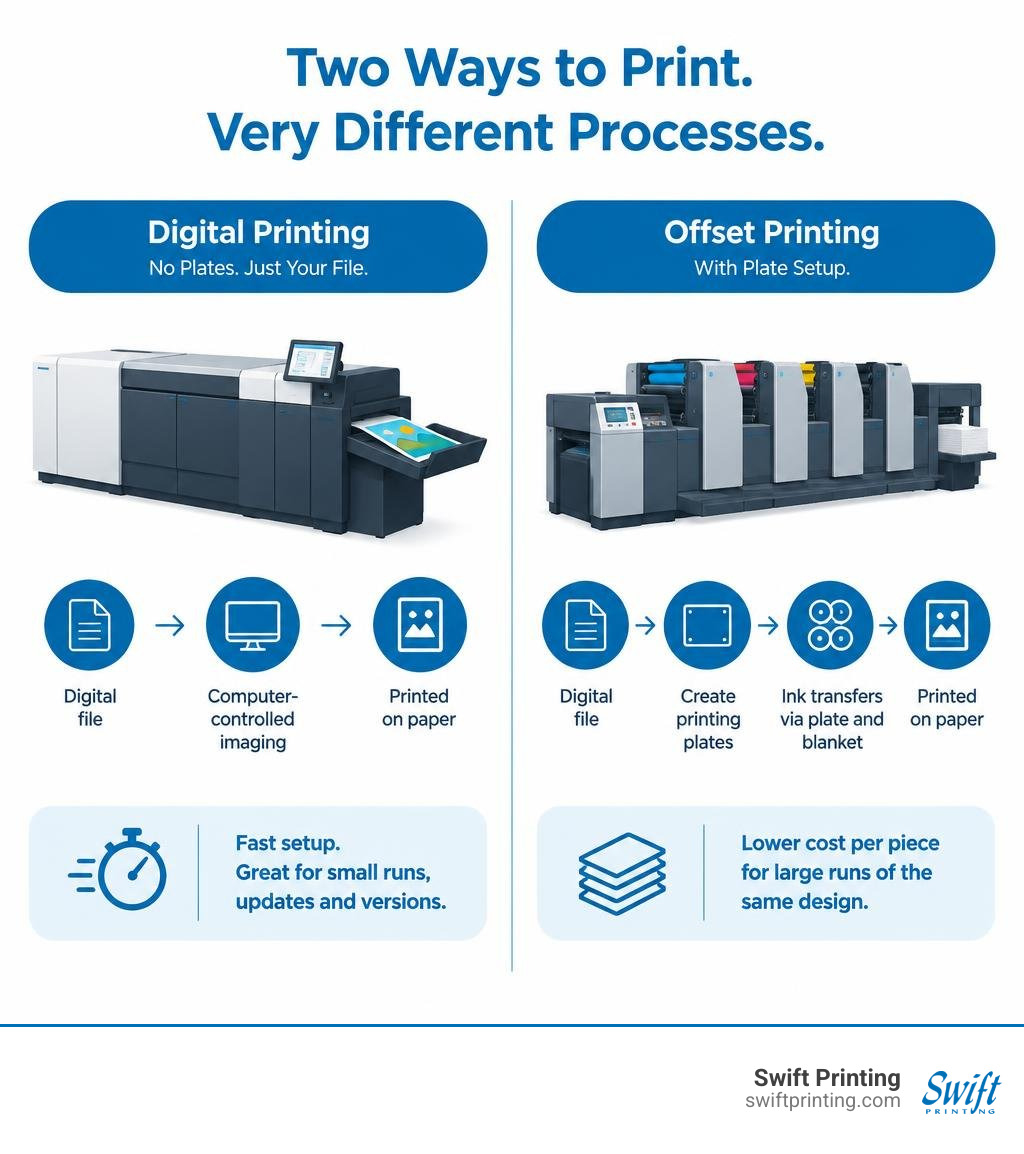
The Mechanics of Short Run Digital Printing vs. Offset Production
Understanding how print technology works behind the scenes helps organizations make confident decisions for their brand assets. Traditional commercial printing relies on the offset lithographic method, an intricate mechanical process where ink transfers from an etched metal plate to a rubber blanket cylinder, and finally onto the paper. In contrast, modern digital printing technology transfers artwork directly from a digital design file straight onto the paper substrate using computer-controlled imaging systems.
Because digital presses eliminate the physical tooling stage entirely, production queues move with incredible agility. A project can go from approved digital artwork to live production in a matter of hours, making on-demand turnarounds realistic for professional workflows.
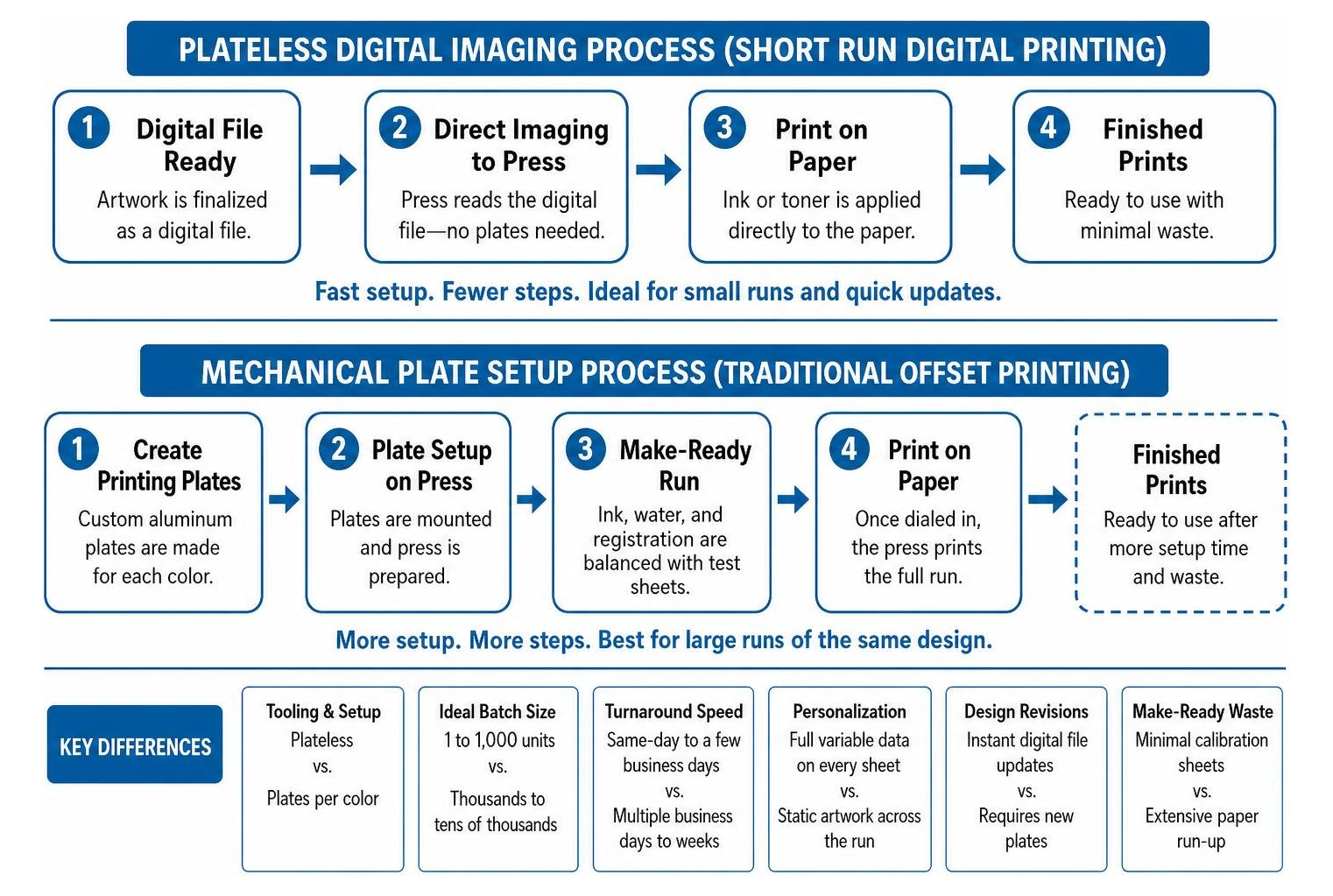
| Production Attribute | Short Run Digital Printing | Traditional Offset Printing |
|---|---|---|
| Tooling & Setup | Plateless direct-to-substrate | Custom aluminum plates per color |
| Ideal Batch Size | 1 to 1,000 units | Thousands to tens of thousands |
| Turnaround Speed | Same-day to a few business days | Multiple business days to weeks |
| Personalization | Full variable data on every sheet | Static artwork across the run |
| Design Revisions | Instant digital file updates | Requires burning new physical plates |
| Make-Ready Waste | Minimal calibration sheets | Extensive paper run-up for ink balance |
Plateless Direct Imaging vs. Plate Setup
In an offset workflow, every single ink color requires a custom aluminum plate. A four-color process job requires at least four individual plates (Cyan, Magenta, Yellow, and Black), plus additional plates for custom spot colors or protective coatings. Before a single sellable sheet comes off an offset press, an operator must mount the plates, balance the water-and-ink fountain chemistry, and run dozens of sheets through the press to achieve precise color registration.
Digital production bypasses these mechanical steps through high-precision electrostatic toner systems or advanced production inkjet heads. The press reads the digital bitmap directly, depositing microscopic toner particles or pigmented ink droplets with pinpoint registration. This plateless approach virtually eliminates make-ready paper waste, ensuring that your first sheet matches the final sheet in sharpness and tonal accuracy.
When to Choose Short Run Digital Printing Over Traditional Methods
Selecting the best production workflow depends entirely on project specifications, timeline requirements, and content shelf-life. Digital production shines brightest in situations where speed, agility, and precision matter most:
- Frequent Content Updates: When legal guidelines, clinical personnel, practice locations, or service offerings evolve regularly, short batches keep your physical collateral completely up to date.
- Boutique Quantities: For specialized executive presentations, board member dossiers, or donor appreciation programs requiring fewer than a few hundred copies, digital production provides uncompromising polish.
- Zero Storage Constraints: Ordering only what your office needs for the upcoming quarter eliminates the need for dedicated storage closets and prevents boxed materials from gathering dust.
- Technical Compliance: Following proven Digital Printing and Short Runs technical standards ensures that files flow smoothly into modern digital front ends without unexpected rasterization errors.
Strategic Applications for Professional Services and Growing Organizations
For established professional firms, government agencies, and healthcare networks, physical collateral represents the standard of service clients expect. Premium printed assets reinforce organizational authority and trust during vital client touchpoints.
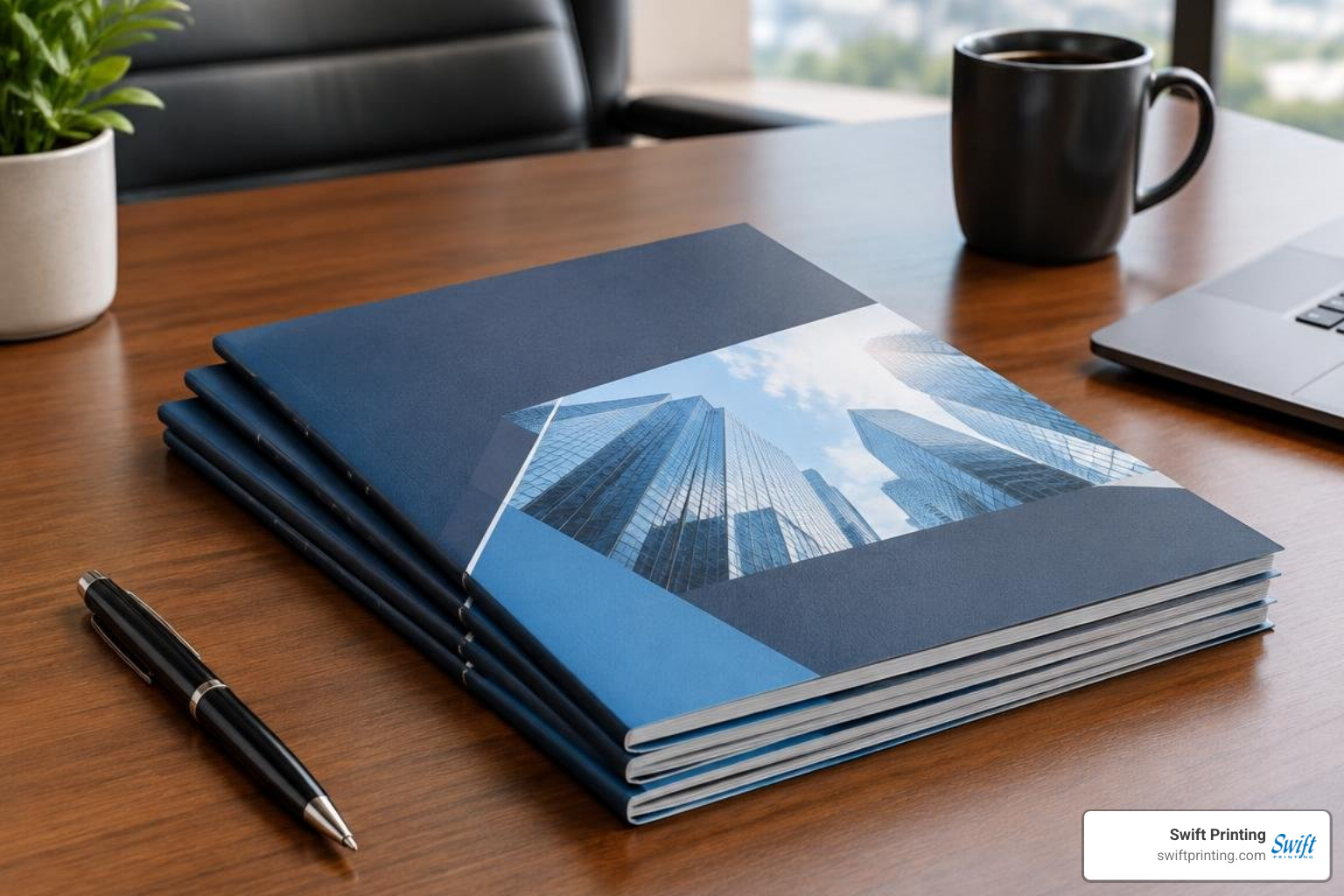
Professional organizations across Ada, Belmont, and Rockford regularly leverage niche commercial printing workflows to produce short batches of high-impact collateral:
- Law Firms & Legal Practices: Case presentation summaries, estate planning binders, trial exhibits, and practice area folders customized with attorney bios.
- Medical & Dental Practices: New patient onboarding packets, specialized procedure guides, post-operative care booklets, and clinical service overviews.
- Consulting & Financial Services: Bespoke quarterly wealth reports, executive proposal folders, retirement planning workbooks, and corporate governance packets.
- Government & Municipal Agencies: Community master plans, public hearing handouts, municipal budget summaries, and environmental compliance notices.
Multi-Page Publications and Booklets
Multi-page corporate documents require both visual elegance and structural durability. Digital finishing equipment pairs seamlessly with short-run presses to provide diverse binding styles suited to specific reading environments:
- Saddle Stitching: Ideal for programs, quarterly newsletters, and thin policy guides under 64 pages, using wire staples along the folded spine to allow the document to open flat easily.
- Perfect Binding: Provides an upscale, square-spine book finish for annual reports, policy handbooks, and Advanced Reader Copies (ARCs), offering a polished corporate feel.
- Wire-O & Spiral Binding: Perfect for medical training manuals, employee onboarding workbooks, and compliance directories that need to rotate 360 degrees and lie flat on a desk during active use.
Packaging Prototyping and Short-Run Digital Printing for Brand Launches
Launching a new service line, pharmaceutical product, or boutique retail item requires physical validation before committing to widespread distribution. Digital packaging workflows allow organizations to produce custom structural boxes, folding cartons, and flexible packaging pouches in quantities as small as 50 to 500 units.
By utilizing digital cutting and creasing tables alongside digital presses, brands can test structural dielines, evaluate physical ergonomics, verify regulatory typography legibility, and conduct A/B testing with multiple visual variants in real-world retail or clinical environments.
Enhancing Personalization with Variable Data Workflows
One of the most transformative advantages of modern digital production is Variable Data Printing (VDP). Because digital presses image each page individually from an electronic data stream, every single sheet emerging from the delivery tray can feature unique, personalized content.
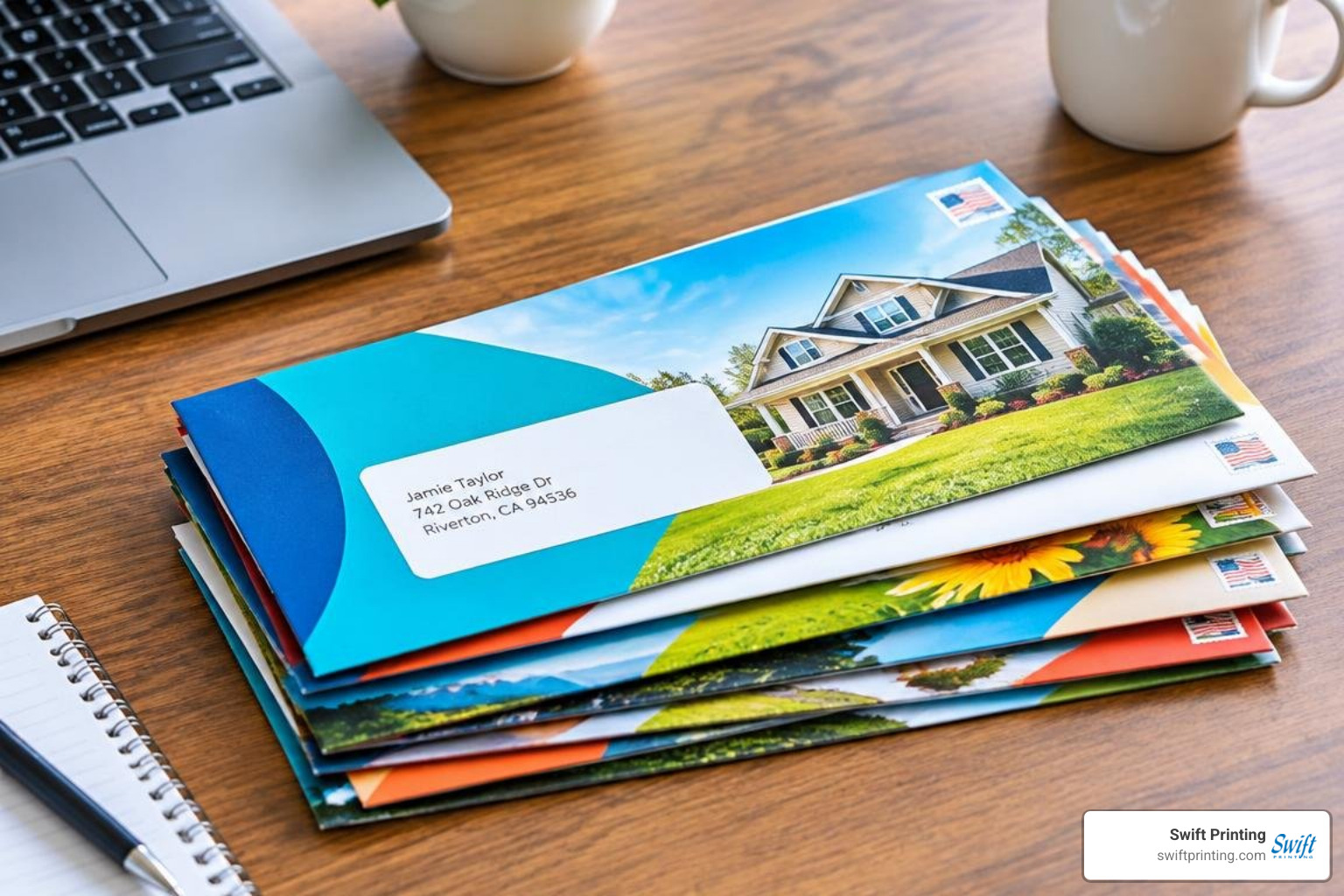
Through integrated database workflows, our on-demand digital printing systems merge static vector layouts with structured spreadsheets to deliver one-to-one communication pieces that drive substantially higher response rates.
Managing Dynamic Fields and Record Integrity
Executing a flawless variable data campaign requires rigorous prepress data management. Designers must establish strict visual boundaries to ensure varying content lengths never compromise design integrity:
- Separate Static and Dynamic Layers: Build the master artwork on locked background layers while reserving dedicated top-level text and image frames exclusively for variable fields.
- Conduct Synthetic Edge-Case Testing: Populate the data set with intentionally challenging records, including extra-long recipient names, lengthy professional credentials, accented foreign characters, and missing optional fields.
- Implement Frame Rules: Configure auto-shrinking text styles or precise text-box boundaries to prevent variable copy from overflowing or truncating visually.
- Embed Fonts and Color Spaces: Ensure all typography assets are fully embedded in the digital master file so automated rip stations render special characters flawlessly across thousands of unique records.
Targeted Marketing for Law Firms and Medical Practices
Professional practices rely on personalization to communicate complex, sensitive information clearly:
- Client Intake Packets: Medical clinics generate welcome portfolios where the patient's name, assigned primary physician, clinic map, and specific health assessment questionnaires are dynamically compiled into a single bound booklet.
- Legal Compliance Mailers: Law firms distribute targeted notifications referencing specific municipal ordinances, regional business entity requirements, or geographic zoning updates tailored directly to corporate recipients.
- Bespoke Executive Invitations: Educational institutions and non-profit foundations deliver personalized event invitations featuring donor tier recognition and tailored RSVP response cards.
Prepress Best Practices to Prepare Error-Free Digital Print Files
Producing flawless physical print begins with disciplined digital asset preparation. Taking time during the design phase to implement rigorous prepress standards guarantees sharp line work, rich color fidelity, and smooth finishing.
Color Calibration and File Setup
To achieve vibrant, true-to-brand color across digital presses, follow these prepress configuration rules:
- Establish Proper Bleed and Margins: Always include a minimum 0.125-inch (1/8") bleed on all outer edges where graphics extend to the cut line. Keep critical text and logos at least 0.25 inches inside the trim line to prevent shifting during trimming.
- High-Resolution Imagery: Ensure all raster photography and scanned assets maintain a minimum resolution of 300 DPI at 100% final output size to prevent pixelation.
- Proper Rich Black Formulas: For large solid black background areas, use an engineered rich black formula (such as 60% Cyan, 40% Magenta, 40% Yellow, and 100% Black) rather than standard 100% K black to achieve a deep, saturated finish without oversaturating the paper fibers. Keep fine body text set strictly to 100% Black (0/0/0/100) to ensure razor-sharp edges.
- Export to PDF/X Standards: Export print-ready PDFs using modern standards such as PDF/X-4, which preserve live transparency, layer integrity, and embedded ICC color profiles.
Physical Proofing and Finishing Verification
Digital production makes physical proofing fast and practical. Reviewing a hardcopy press proof before authorizing the complete print run provides crucial quality assurance:
- Examine Paper Weight and Caliper: Feel the physical thickness and texture of the selected paper stock to ensure it matches the prestige of your brand.
- Verify Scoring and Fold Durability: Heavy cardstocks and coated cover papers require precision scoring along the spine prior to folding. Inspect the folded edges under bright light to verify that toner does not crack along the crease.
- Confirm Duplex Backing Alignment: Ensure front-to-back registration aligns across two-sided documents, checking that margins and header baselines match across spreads.
- Inspect Specialty Coatings: Check the clarity and smooth application of soft-touch laminates, gloss spot varnishes, or protective satin coatings.
Frequently Asked Questions About Digital Production
What turnaround time can professional organizations expect from digital production?
Because digital production eliminates the time-consuming steps of plate making and press wash-ups, turnaround times are remarkably fast. Most short-run digital booklet, brochure, and stationery orders complete within two to four business days following proof approval. For time-sensitive legal filings, emergency public notices, or sudden corporate events across Grand Rapids, Lansing, and Kalamazoo, same-day or 24-hour rush production is frequently achievable.
How does variable data printing ensure accurate text placement?
Variable data accuracy relies on automated preflighting software paired with strict layout rules. Prepress software checks every record in your database against the design template before sending the job to the press. If a recipient's title or address exceeds the bounding box, the system flags the record for manual review, ensuring that no names are awkwardly clipped or displaced.
When should a business transition from digital to high-volume offset production?
Transitioning from digital to traditional offset production makes sense when your design artwork is completely standardized and you require high volumes of identical pieces that will remain unchanged for extended periods. When marketing campaigns, quarterly brochures, or direct mail pieces reach into tens of thousands of static units, offset printing provides exceptional efficiency across extended press runs.
Conclusion
Maximizing organizational agility requires a print partner who understands that quality, punctuality, and attention to detail reflect directly on your brand. At Swift Printing, we are a high-end print shop setting the standard for printing in the boutique business across Grand Rapids, Ada, Belmont, Rockford, Lansing, and Kalamazoo.
Whether your firm needs sophisticated legal presentation portfolios, clinical patient intake packets, or tailored corporate publications, our team provides the personalized guidance, meticulous proofing, and state-of-the-art production equipment needed to bring your vision to life. If you are coordinating regional direct mailings alongside your collateral, explore our USPS hold mail service guide for practical fulfillment tips, or connect with our team to find dependable short run digital printing near me for your next project.