This election cycle, I asked several friends to save their political mailers for me. I honestly wasn’t sure how many we would get or exactly how we’d be targeted, but I was curious. There’s something fascinating about seeing what ends up in our mailboxes and imagining the strategy behind it.
Being in the direct mail industry, I know you can buy a list for just about anything. You can narrow down recipients by area, income level, or even profession. Sometimes, it feels a little creepy, to be honest, but it’s just part of the political season. Campaigns and advocacy groups want their messages in front of the right people at the right time, and direct mail is a powerful way to do it.
Now, I’ll admit I’m incredibly biased because I’m always examining these political mailers closely. When one arrives in my mailbox, I’m not just looking at what it says—I’m analyzing everything. What’s the message? Did they use presort standard, first-class, or EDDM (Every Door Direct Mail)? What kind of paper did they choose? Which indicia did they use? And, of course, the big question: did they print it locally?
I’m not saying everyone has to print with us (though that would be amazing), but I firmly believe it should be a goal for every elected official to purchase locally. No one is perfect, but just like any other industry, buying local has a huge ripple effect for our community. Supporting local printers, like ours, keeps money within our community, creating jobs and sustaining small businesses. It’s about building up the place we all live and work in.
So, How Many Mailers Did We Actually Receive?
I gathered mailers from three different households this election season. So, take a guess: how many political mailers do you think we ended up with?
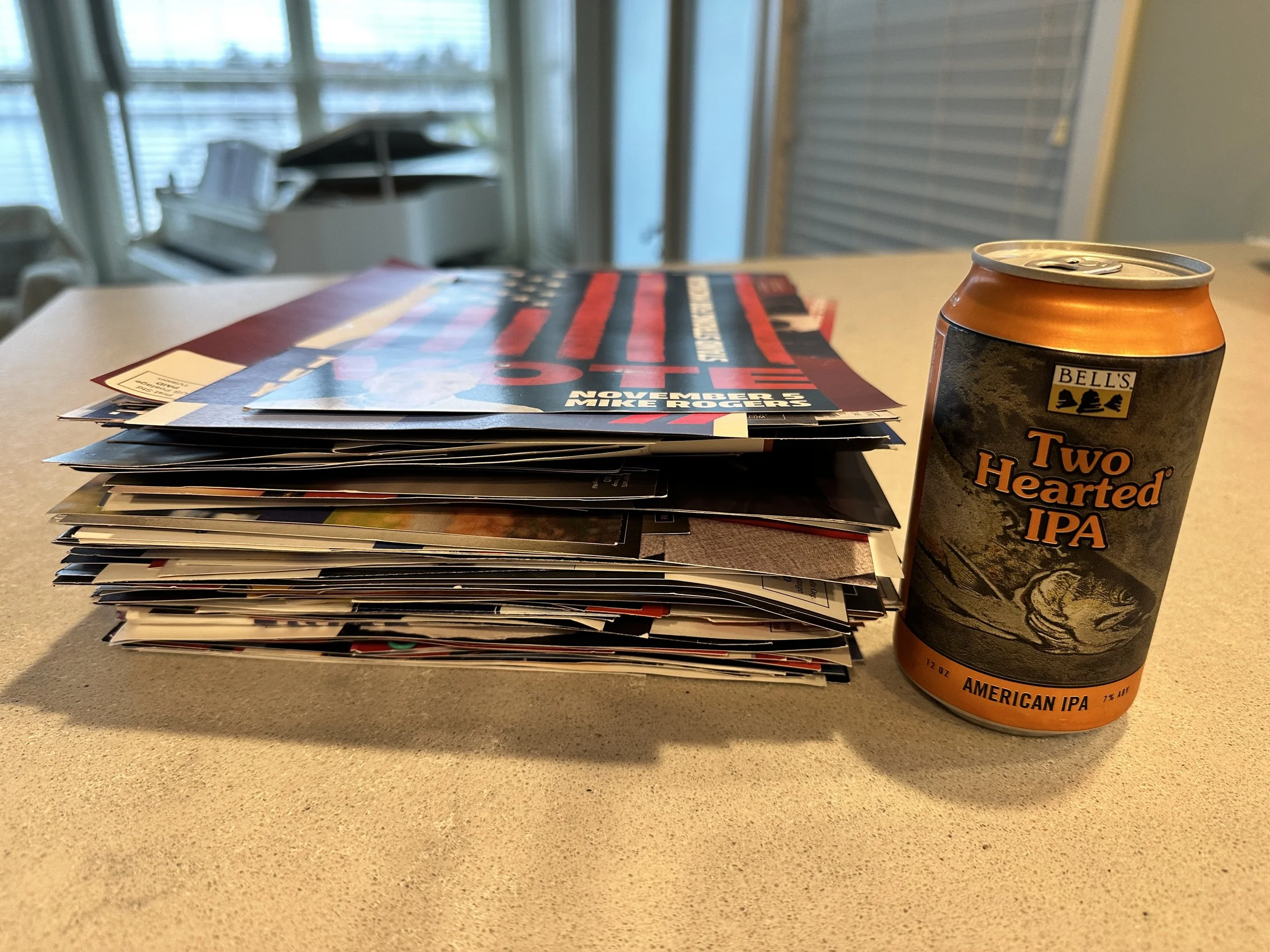
Here’s the stack! Two Hearted just for size reference. ;) ;)
If your answer is "a lot," you’re on the right track. Between the national, state, and local elections, there’s no shortage of mail trying to sway us one way or another. But it’s not just about the sheer volume. What really stands out to me is how targeted these mailers can be. Some pieces are beautifully done, with high-quality materials and strong messaging. Others, well… not so much. But each one gives a little glimpse into the campaign’s strategy and priorities.
Understanding the Art (and Science) of Mailers
So, how much do you know about mailers? Or maybe a better question: how much do you want to know? Once you start digging into it, there’s so much to learn. There are so many ways to send mail through the USPS, each with its own advantages and quirks. First-class mail, for instance, is more expensive but faster and often perceived as more "official." EDDM, on the other hand, allows campaigns to reach every address in a given area without needing a specific address list.
Best Practices to Keep the USPS Happy with your Mailers
Mailing can be strategic and cost-effective when done right. But all these options come with a learning curve. Sometimes, I wonder why the private sector hasn’t jumped into offering mail delivery as a competitive service. But then again, the USPS is a massive operation, and even with all its history and infrastructure, it’s still more than $156 billion in debt. I imagine the logistics and costs involved would make it hard for a private company to jump in and take on mail delivery. Parcels are one thing, but regular mail? That’s another ballgame.
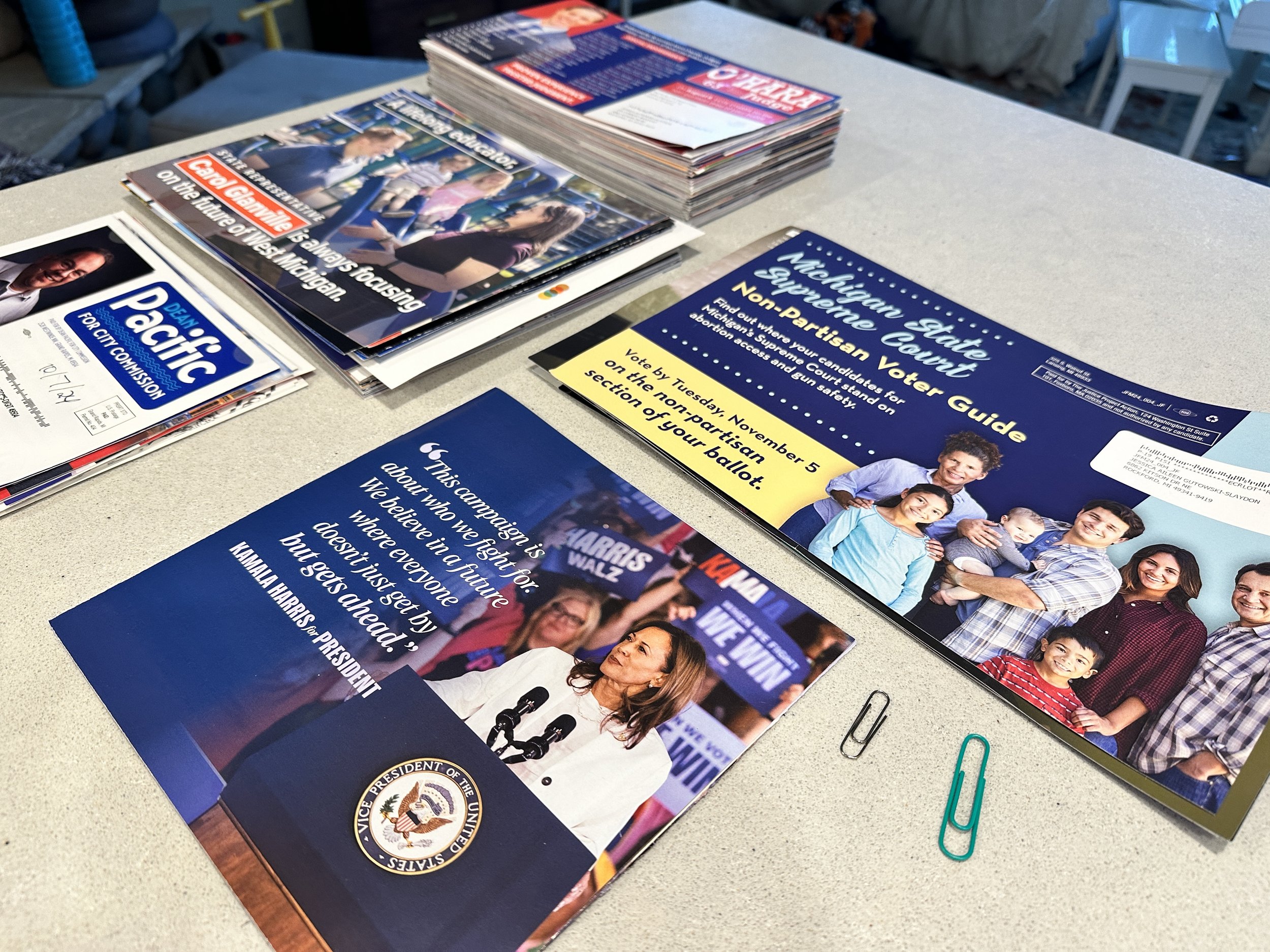
Sorter by size. 6×11 was def the most popular. Do you think the size of the mailer makes a difference?
Why Do Political Mailers Matter?
Mailers are a big deal because they offer campaigns a chance to get into our homes in a very tangible way. Digital ads are easy to scroll past, but when something arrives in the mailbox, people tend to at least glance at it. Whether you’re skimming the message, appreciating the design, or just deciding whether to toss it in the recycling, that mailer has served its purpose by getting your attention, however briefly.
For those of us in the industry, mailers are like little case studies. When I look at a mailer, I’m taking it all in—almost like a chef sampling a dish to figure out the ingredients. Did they go with glossy or matte paper? Is the piece designed to stand out in the mailbox, or does it blend in with a million other ads? The choices made here tell a story, and as a printer, I can’t help but dive into those details.
Check out our guide: How to format your mailing list in Google Sheet or Exel for your mailers
My Mailer Monologue: Why I Can’t Help Myself
Every now and then, a friend or family member will mention something about a political mailer they received, and I’ll find myself going into a full monologue about it. I’ll be pointing out the type of paper, guessing at the type of printing process, and debating if they should have gone with a different color scheme. It’s probably way more than anyone ever wanted to know, but it’s hard to hold back! I get so excited about the little nuances of these pieces.
And it’s not just about the visuals. When you know what went into creating a mailer, you can see what the campaign was trying to convey, how much they valued the message, and the thought they put into reaching their audience. It’s a craft that’s meant to be persuasive, which is why it’s so fascinating.
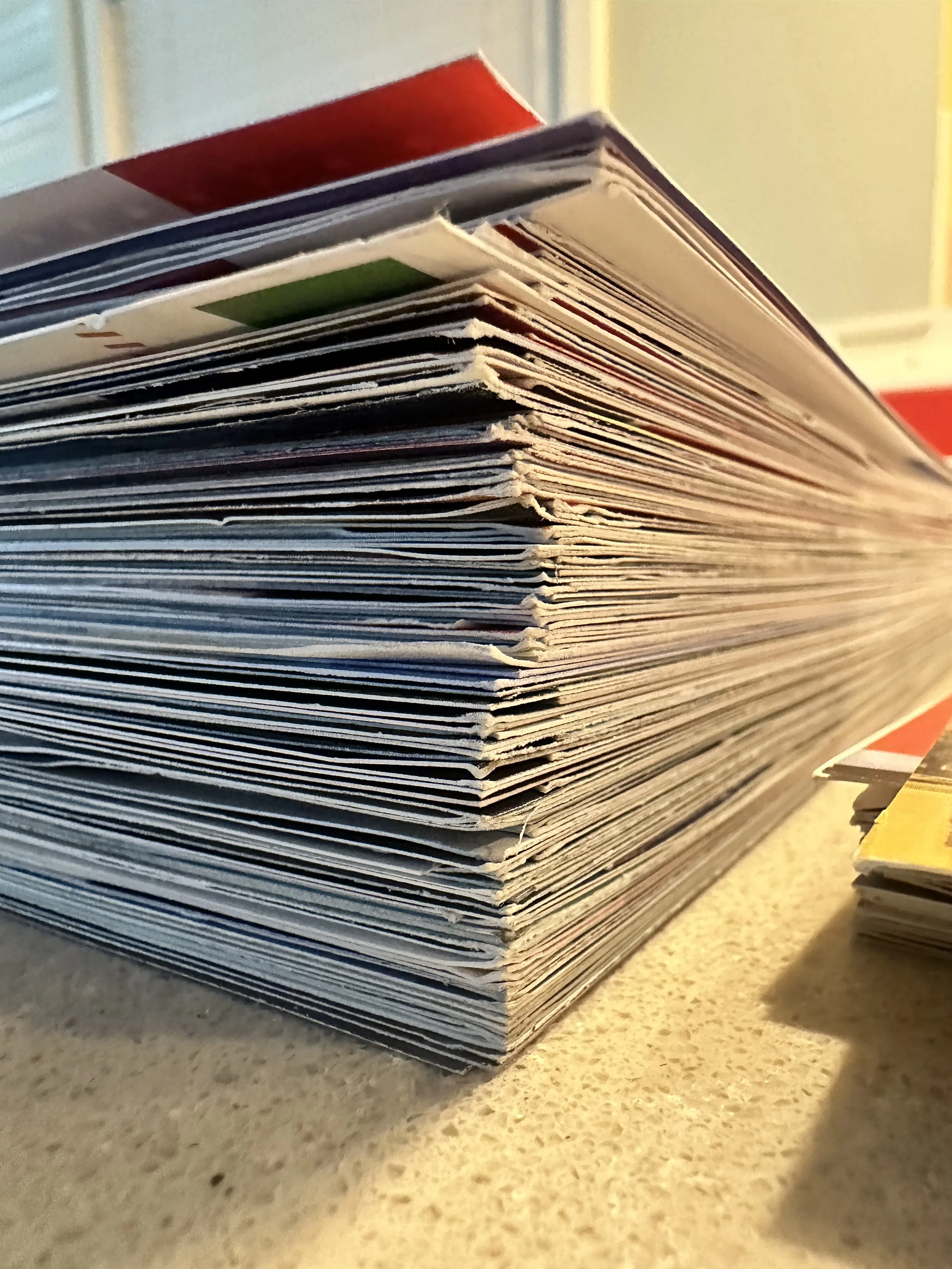
The Local Impact of Printing
This all brings me back to local printing. When campaigns (or businesses, for that matter) choose to print locally, they’re supporting more than just a business. They’re investing in their community. By choosing a local printer, they’re helping create jobs, sustain a craft, and strengthen the local economy. And, on top of that, they’re creating lasting connections. Local printers get to know the people behind the campaigns, understand their values, and often become part of their story.
In my ideal world, every campaign would think about where they print, not just what they print. We’re all a part of the community, after all, and the more we support each other, the stronger that community becomes.
The Takeaway: Mailers Are More Than Just Paper
So, next time you pull a mailer out of your mailbox, take a second to really look at it. Think about the choices that went into creating it, from the message to the materials. Who printed it? Where did it come from? And what does that say about the campaign?
I’ll be over here, analyzing each new mailer that comes my way, looking for those little clues and wondering about the choices behind each piece. Because for me, political mailers aren’t just seasonal clutter. They’re a glimpse into the strategies, decisions, and yes, even the community impact of each campaign.
And hey, if you ever have a question about your mail, you know where to find me—I’m always ready to talk mailers!